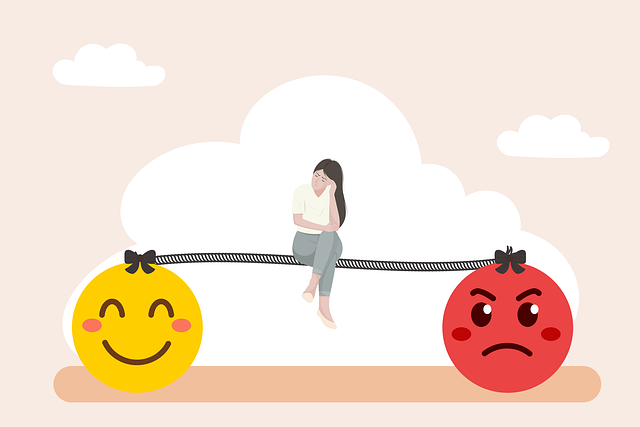
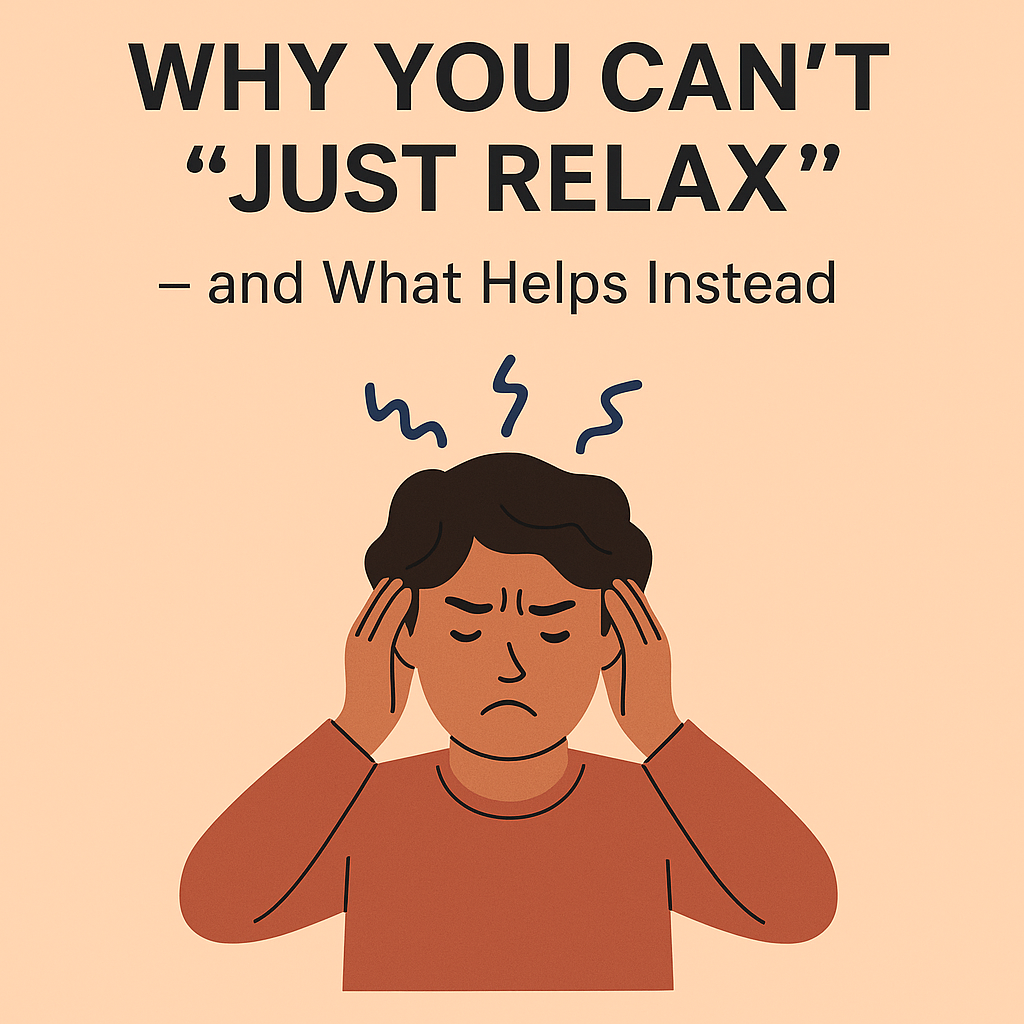
If you’ve ever been stressed, overwhelmed, or spiraling, you’ve probably heard this sentence:
“Just relax yaar… you’re overthinking.”
And if you’ve ever tried to relax in those moments, you already know:
👉 Relaxing on command is impossible.
👉 Your brain isn’t trying to annoy you — it’s trying to protect you.
In fact, the more you force yourself to calm down, the harder your mind works to stay alert.
So if you’ve ever wondered why you can’t simply switch off, stop worrying, or “think positive,” this guide breaks down the science behind it — and the practices that actually help your nervous system settle.
⭐ Why Relaxing Feels Hard (Even When You Want To)
Relaxation isn’t a mindset.
It’s a physiological state.
You can want to relax, desperately try to relax, but your body may still be stuck in:
- Stress mode
- Hypervigilance
- Fight, flight, freeze, or fawn
- Mental overdrive
Here’s why.
1. Your brain is wired for survival, not calm
The human brain evolved to keep us alive — which means it takes any form of uncertainty as a potential threat.
Work deadlines?
Exam pressure?
Visa stress?
Family expectations?
Your brain doesn’t differentiate between a wild animal and a scary email.
When your nervous system senses danger, it activates the stress response, releasing adrenaline and cortisol. These chemicals:
- Increase heart rate
- Heighten alertness
- Make thoughts race
- Tighten your muscles
This is why “relaxing” becomes biologically impossible.
Your brain is literally saying:
“Not now. We’re not safe yet.”
2. You can’t relax if your body doesn’t feel safe
Safety isn’t just physical — it’s emotional, financial, social, and relational.
Many people today (especially young professionals and students) live in chronic stress environments:
- Unpredictable work hours
- Remote work isolation
- Career pressure
- Immigration + visa fears
- Academic burnout
- Family expectations
- Economic uncertainty
Your nervous system stays on high alert because it doesn’t know when to rest.
You’re not bad at relaxing — your environment is overwhelming.
3. Your thoughts are in “problem-solving mode”
When something feels wrong, the brain defaults to:
- Thinking
- Analyzing
- Worrying
- Planning
- Predicting worst-case scenarios
This is the brain’s attempt to take control.
So when someone tells you,
“stop worrying,”
your brain goes:
“No? I’m trying to solve your life??”
4. Cultural factors make it worse
For many Indians (both in India and abroad), “relaxing” is often seen as:
- laziness
- time waste
- being unserious
- not productive
So when you try to relax, guilt kicks in:
“I should be doing more.”
“I can’t afford to slow down.”
“Others are working harder.”
Guilt and rest cannot co-exist.
5. Past experiences train your body’s stress baseline
If you grew up in chaos, pressure, or unpredictability, your body may have learned:
- to stay alert
- to anticipate threat
- to keep scanning for danger
This becomes your default setting.
Relaxation then feels:
- unfamiliar
- unsafe
- uncomfortable
Your body doesn’t trust stillness.
⭐ So… it’s not you. It’s your nervous system
Relaxation isn’t a switch — it’s a state your body needs to enter intentionally.
Good news?
There are ways to retrain the brain + body to feel safe again.
🧠 What Actually Helps Instead of “Just Relaxing”
Here are evidence-based, therapist-approved strategies that work with your nervous system, not against it.
1. Try Downshifting Instead of Forcing Calm
Instead of jumping from stress → relaxation, aim for:
stress → less stress
This gentle transition feels safer to the brain.
Try things like:
- taking a 2-minute pause
- standing up and stretching
- drinking water
- changing your environment
- doing one slow exhale
These small shifts deactivate hyperarousal.
2. Use the “Physiological Sigh” (Scientifically proven)
A quick, powerful regulation tool:
- Inhale deeply through your nose
- Take a second, shorter inhale
- Exhale slowly through your mouth
This is known to reduce stress within 30 seconds.
3. Relax your body first — the mind will follow
Relaxation doesn’t start in the mind.
It starts in muscles.
Try:
- unclenching your jaw
- lowering your shoulders
- loosening your stomach
- opening your palms
- relaxing your tongue
When the body softens → the mind believes it’s safe.
4. Give your worry a container
Instead of forcing yourself to “stop worrying,” tell your brain:
“We’ll think about this at 7pm for 15 minutes.”
This technique reduces rumination because your mind trusts there is a plan.
5. Switch from thinking to sensing
When you’re overwhelmed, shift into your senses:
- 5 things you can see
- 4 things you can touch
- 3 things you can hear
- 2 things you can smell
- 1 thing you can taste
This grounds your nervous system in the present.
6. Do “opposite action” for anxiety
If your brain is spiraling, try the opposite of what it wants:
If you want to lie down → take a short walk
If you want to avoid → send one message
If you want to freeze → move your fingers or toes
Small counter-steps disrupt the anxiety loop.
7. Create micro-moments of safety
Your nervous system needs signals that you are okay.
Try adding:
- a warm drink
- soft lighting
- 10 seconds of deep breathing
- grounding music
- a comfortable space
These cues tell the brain:
“We can slow down now.”
8. Connect with someone you trust
Co-regulation (calming through another person) is one of the most powerful ways humans relax.
Talking to someone who listens without judgment can slow your heart rate, reduce cortisol, and stabilize your thoughts.
If your mind refuses to settle alone, this is normal — nervous systems regulate better together.
9. Therapy helps your brain relearn calm
If your baseline stress level has been high for months or years, you may need support that goes deeper than self-help tools.
A therapist can help you with:
- emotional regulation
- nervous system healing
- understanding triggers
- breaking overthinking patterns
- long-term stress management
You’re not meant to handle everything alone.
🧩 Why This Matters: You Deserve a Nervous System That Isn’t Exhausted
You shouldn’t have to push through life with a body that’s always bracing for impact.
Real rest is not a luxury.
It’s not indulgent.
It’s not “doing nothing.”
Rest is recovery.
Rest is healing.
Rest is your brain finally breathing.
You deserve that.
💛 If your mind hasn’t been able to relax lately… you’re not broken. You’re overwhelmed.
And overwhelmed people don’t need pressure.
They need support.
At Woselle, our therapists help you understand your nervous system, build emotional safety, and relearn how to rest without guilt or fear.
If you’d like to talk to someone:
👉 Book a session with a Woselle therapist
(We match you with someone who fits your personality and needs)
Your mind doesn’t need to “just relax.”
It needs someone who understands why it can’t.